Story Brush: A Creative Font for Distinctive Design
Understanding the Visual Character of Story Brush
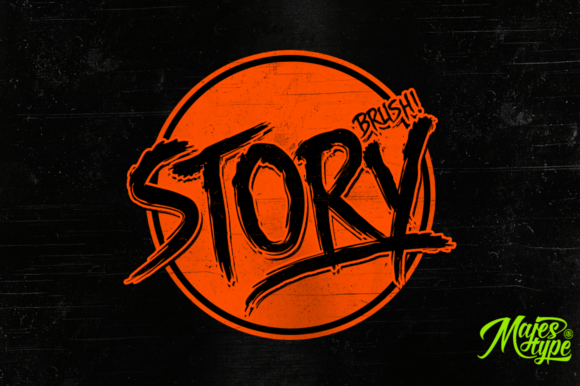
Finding a typeface that carries genuine personality can transform a good design into a memorable one. Story Brush enters this space as a highly-detailed brush display font, designed with careful attention to the organic flow and texture that defines hand-lettered work. It isn't a simple script or a rough sketch; it's a crafted display font where each character carries the subtle imperfections and dynamic strokes of a real brush. This gives it a contemporary and fresh feel, moving away from sterile digital precision to embrace a more human, approachable aesthetic. The visual weight and texture make it instantly engaging, perfect for headlines and logos where immediate impact is crucial.
The character of Story Brush is confident and artistic. It balances a modern sensibility with a classic, handcrafted appeal. You'll notice the variation in stroke width, the slight tapering of lines, and the textured edges that mimic ink on paper. This isn't a font that whispers; it speaks with clarity and a distinctive voice. Its style avoids being overly whimsical or overly aggressive, landing in a sweet spot that feels both professional and creative. For designers, this means it can adapt to various moods—whether you're aiming for something energetic and bold or something more refined and artistic. It’s a premium font that feels intentional, not generic.
Where Story Brush Truly Shines in Real Projects
The practical application of a font determines its true value. Story Brush excels in contexts where personality and readability at a headline level are paramount. Think about logo design for a boutique coffee roaster, a craft brewery, or a handmade cosmetics brand. The brush texture conveys authenticity and craftsmanship, aligning perfectly with brands that tell a story of quality and care. In editorial design, it can create striking magazine covers or chapter openers, breaking the monotony of standard body text with a burst of creative energy. For packaging design, it helps products stand out on a crowded shelf, suggesting a artisanal quality before the customer even reads the label.
Digital spaces are another natural home. Social media graphics demand immediate attention, and a display font like Story Brush can stop the scroll. It works beautifully for quote graphics, promotional banners, and video thumbnails. In web design, it's best used sparingly—perhaps for a hero section headline or a call-to-action button—where its texture can be appreciated without compromising the readability of body copy. For brand identity systems, it can serve as the primary logo font or as a secondary accent typeface to inject personality into marketing materials, from business cards to event posters.
Making Informed Decisions with a Display Font
Choosing any creative font requires a practical evaluation. Before integrating Story Brush, consider the project's core message. Does the brand or design need to convey handcrafted quality, artistic flair, or modern boldness? If yes, it's a strong candidate. Test it at the actual size it will be used. A display font is designed for large sizes; its details and texture become its strengths there. At small sizes, those same details can become noise, reducing legibility. Always pair it wisely. A common and effective strategy is to combine it with a clean, neutral sans serif font or a simple serif font for body text. This creates a clear visual hierarchy, where Story Brush draws the eye for key points, and the companion font ensures comfortable reading for longer passages.
When you acquire a commercial font like Story Brush, review the license. Understand what the font pairing and usage rights cover for your specific needs, whether for personal projects or client work. Explore the full character set. Many premium fonts include stylistic alternates, ligatures, and additional glyphs that can add unique flair to your designs. Play with these features in a test document. How does the ampersand look? Are there different versions of key letters like 'a' or 'g' that might better suit your project? This exploration is part of the design process, turning a design asset into a tailored tool. Ultimately, Story Brush is more than just letters; it's a means to inject narrative and authenticity into your visual communication, helping your work connect on a more human level.