Ramadan Kareem: A Typeface for Cultural Connection
When a project calls for a voice that resonates with heritage and warmth, standard sans serifs often fall short. You need a typeface with character, one that feels both authentic and contemporary. This is where a font like Ramadan Kareem enters the conversation. It’s not just a collection of letters; it’s a design asset with a distinct personality, crafted to bridge cultural aesthetics with modern design needs. For anyone working on branding, editorial layouts, or digital content with an Islamic or Middle Eastern theme, understanding how to use such a font effectively is a practical skill.
Understanding the Visual Personality of Ramadan Kareem
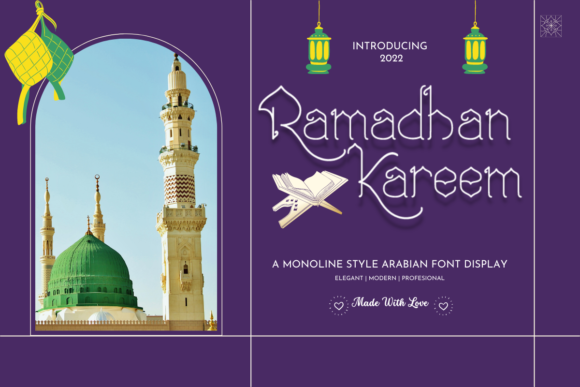
Ramadan Kareem is a display font, meaning its primary strength lies in headlines, logos, and short bursts of impactful text. Its design draws clear inspiration from Arabic calligraphy, but it is rendered in a Latin script, making it accessible for a wide range of projects. The letterforms feature smooth, flowing curves and a balanced weight that avoids being overly ornate or difficult to read. There’s a rhythmic quality to the typeface, with subtle connections between characters that evoke the fluidity of handwritten scripts.
The overall appeal is one of friendly professionalism. It doesn’t carry the rigid formality of a classic serif font, nor does it have the cold neutrality of a geometric sans serif. Instead, it sits in a unique space, offering warmth and approachability. This makes it a creative font ideal for projects that need to feel welcoming, celebratory, and rooted in tradition without appearing dated. Think of it as a visual handshake—inviting and memorable.
Where This Typeface Truly Shines
The versatility of Ramadan Kareem is one of its key strengths. Its unique style makes it suitable for a surprisingly wide array of applications, far beyond just seasonal greetings. For brand identity work, particularly for businesses in fashion, hospitality, food, or lifestyle sectors catering to Muslim communities or those celebrating Islamic culture, this font can become a cornerstone. It lends itself beautifully to logo design, where its distinctive shapes help a brand stand out with authenticity.
In the realm of digital and print design, its applications are numerous:
- Web Design & Social Media: Use it for website headers, banner ads, Instagram stories, and Facebook post templates. Its clarity at various sizes ensures it performs well on screens.
- Editorial & Publishing: It works effectively for magazine covers, book titles, chapter headings, and pull quotes in publications focused on culture, travel, or spirituality.
- Packaging & Product Design: For artisanal goods, specialty foods, or cosmetic products with a cultural narrative, Ramadan Kareem adds a layer of perceived value and storytelling to the packaging.
- Event & Invitation Design: From wedding invitations to community event posters and charity gala programs, the font sets an appropriate and elegant tone.
It’s also a strong choice for personal projects like crafting, DIY home décor quotes, or creating custom apparel. The key is to match its personality with the project’s message—it excels where a touch of genuine cultural resonance is desired.
Making It Work: Practical Guidance for Designers and Creators
Choosing a premium font like Ramadan Kareem is an investment. To ensure it’s the right fit, start by evaluating its personality against your project’s goals. Is your brand voice celebratory, serene, or luxurious? This font leans toward the celebratory and approachable. Next, consider readability. As a display typeface, it’s best used for short text. For body copy, pair it with a highly legible serif font or a clean sans serif font. A common and effective pairing might be Ramadan Kareem for headlines with a font like Lato or Merriweather for paragraphs.
Always review the included character set and styles. Does it offer the necessary punctuation, numerals, and language support for your audience? Test it thoroughly in your design mockups. View it at the intended size, in both color and black-and-white, and on different devices if it’s for web use. This practical testing reveals how the font influences visual hierarchy and audience engagement. A well-chosen display font guides the viewer’s eye and reinforces the message.
Finally, understand the licensing. Most commercial fonts come with specific terms regarding usage in logos, apps, merchandise, and websites. Ensure the license covers all your intended applications to maintain professionalism and avoid legal issues. By following this practical approach, you leverage Ramadan Kareem not just as a decorative element, but as a strategic tool for building recognition, consistency, and a deeper connection with your audience.